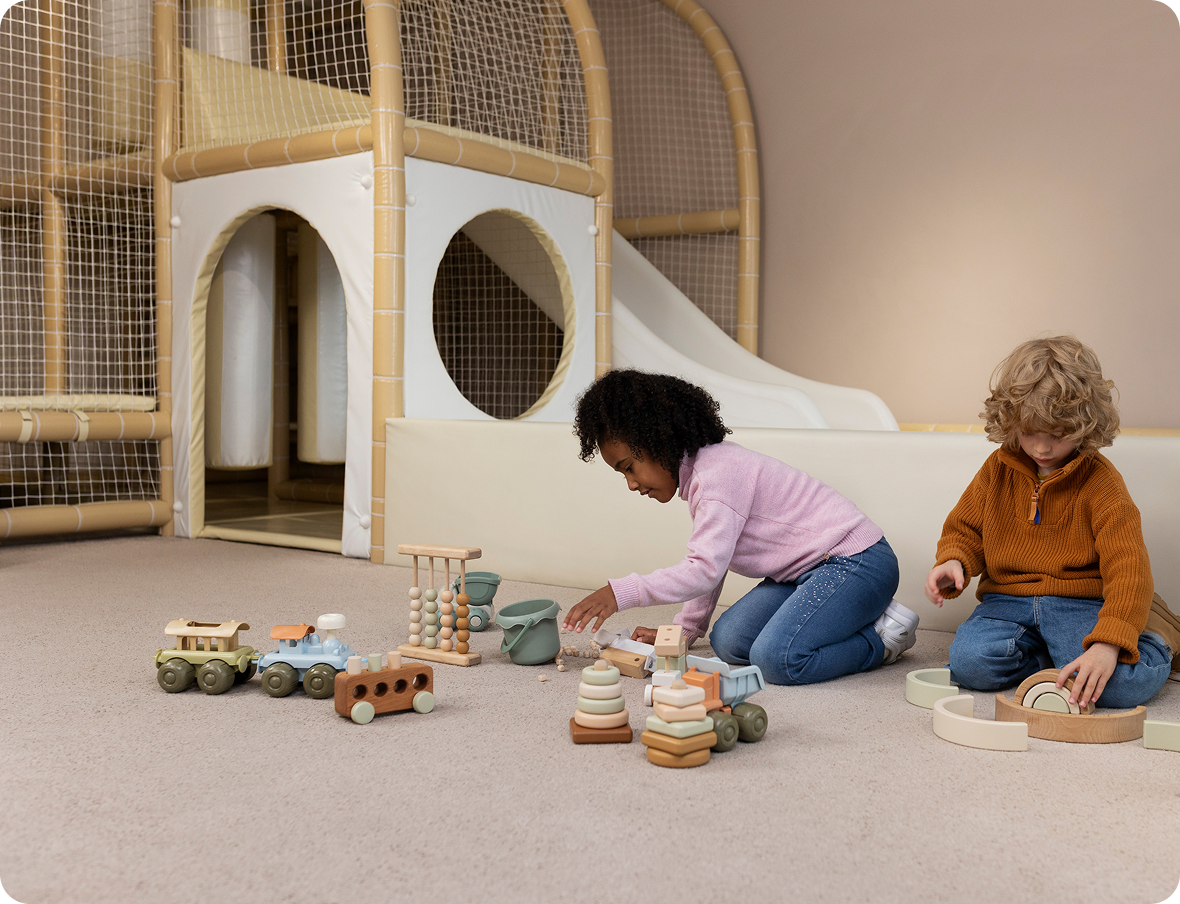

Wobbles: A Revolutionary Soft Play Concept
2025
Business / Strategic Design
Design Management • Research & User Insights • Strategic Storytelling • Brand & Business Strategy
4 members: Product, Interior, Architecture, Design Strategy- Bei Wu, Nandini Pillai, Sahana Samanta and Vedika Kulkarni
A fully developed proposal combining spatial design, user insights, brand experience, and a scalable business model canvas.
Wobble
Project
Overview
Wobbles was a client-facing project developed under our consultancy, Sage Studio. A UK-based entrepreneur wanted to test whether large-scale indoor play spaces—common in China—could succeed in the UK market. The client requested a scalable indoor play centre design concept that was not only fun and functional but also strategically positioned to grow across the UK.
The
Challenge
The client needed a clear value proposition to stand out. The challenge was to blend empathy-driven design with business strategyto create an experience that would delight children, reassure parents, and differentiate the brand in a competitive market.
The Result
The proposal successfully demonstrated how strategic storytelling and interdisciplinary collaboration could elevate a simple brief into a compelling business opportunity. It highlighted the potential of design to serve as the backbone of a scalable venture.
This project showcases my ability to translate research into actionable design opportunities, connect storytelling with business strategy, and deliver a holistic proposal that bridges user needs, design outcomes, and scalable growth potential.
The
Process
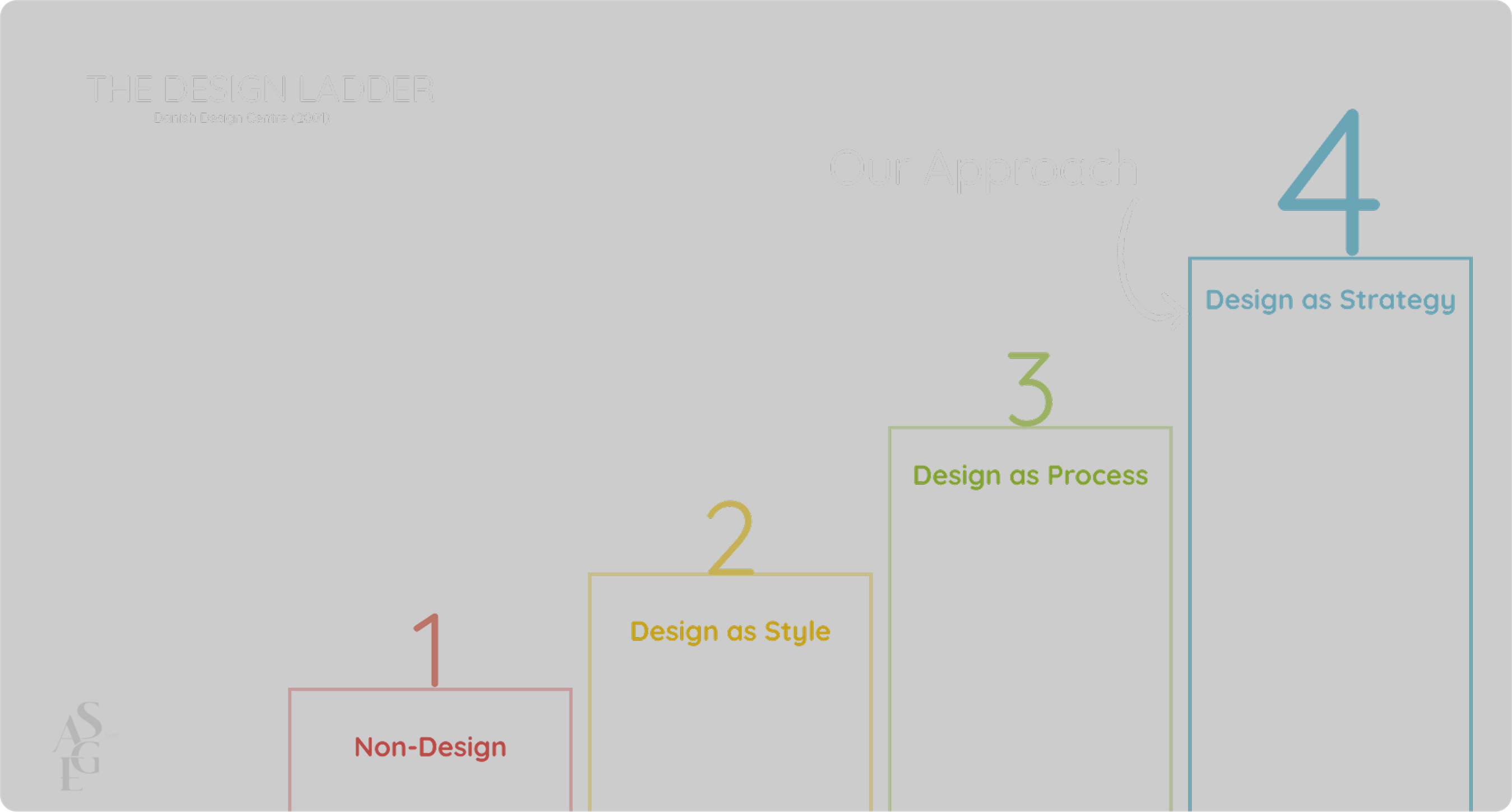
The approach was to use a design thinking mindset, leveraging research and strategic business insights to create ahuman-centered solution. This was a collaborative effort with a multidisciplinary team.
Discover
In the research phase, responsibilities were shared across the team, and I took the lead on direct engagement with our target audience. I designed and developed open-ended interview questions to encourage detailed responses from parents and guardians, and we conducted interviews in two major parks in Lancaster.
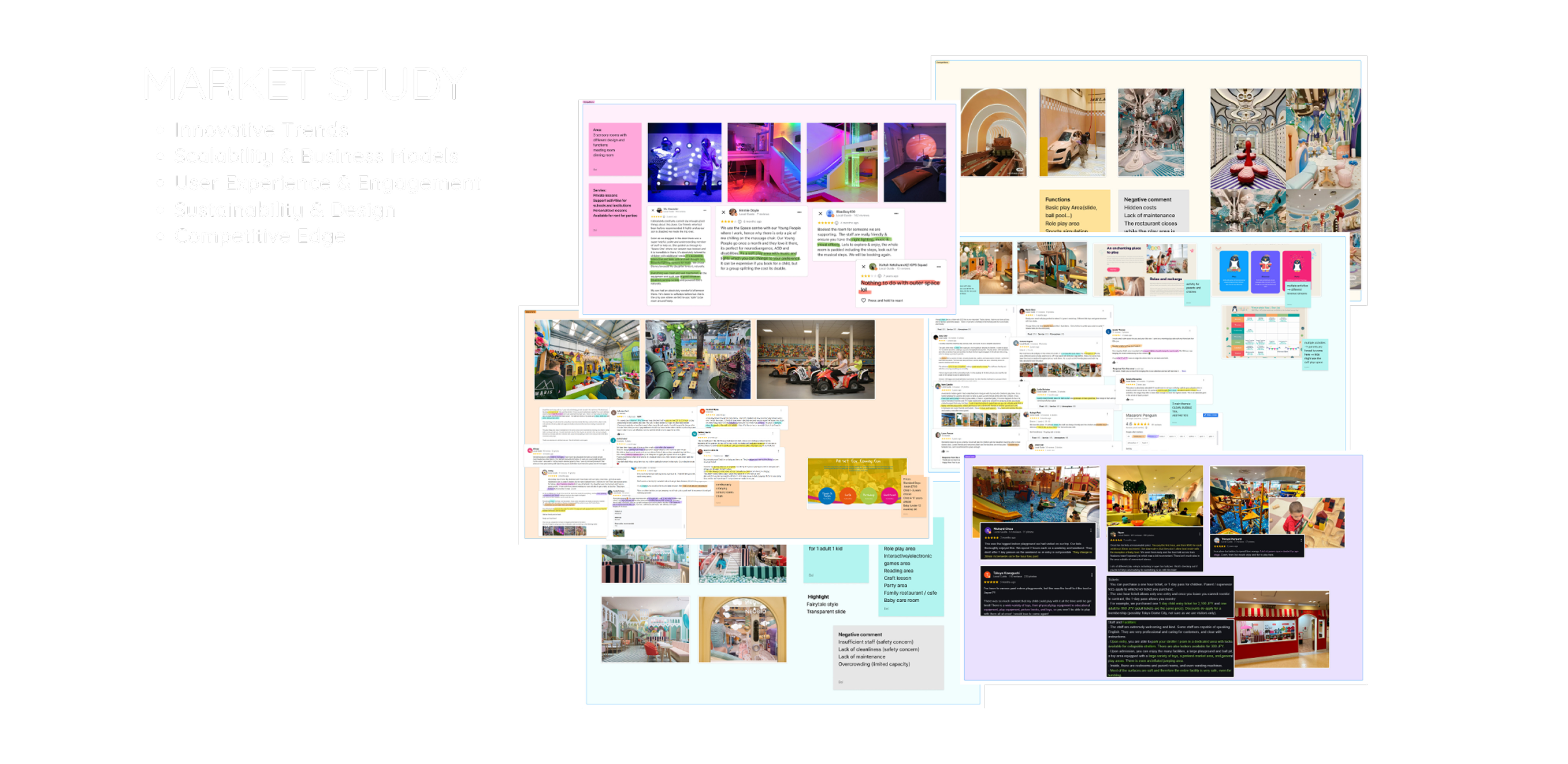
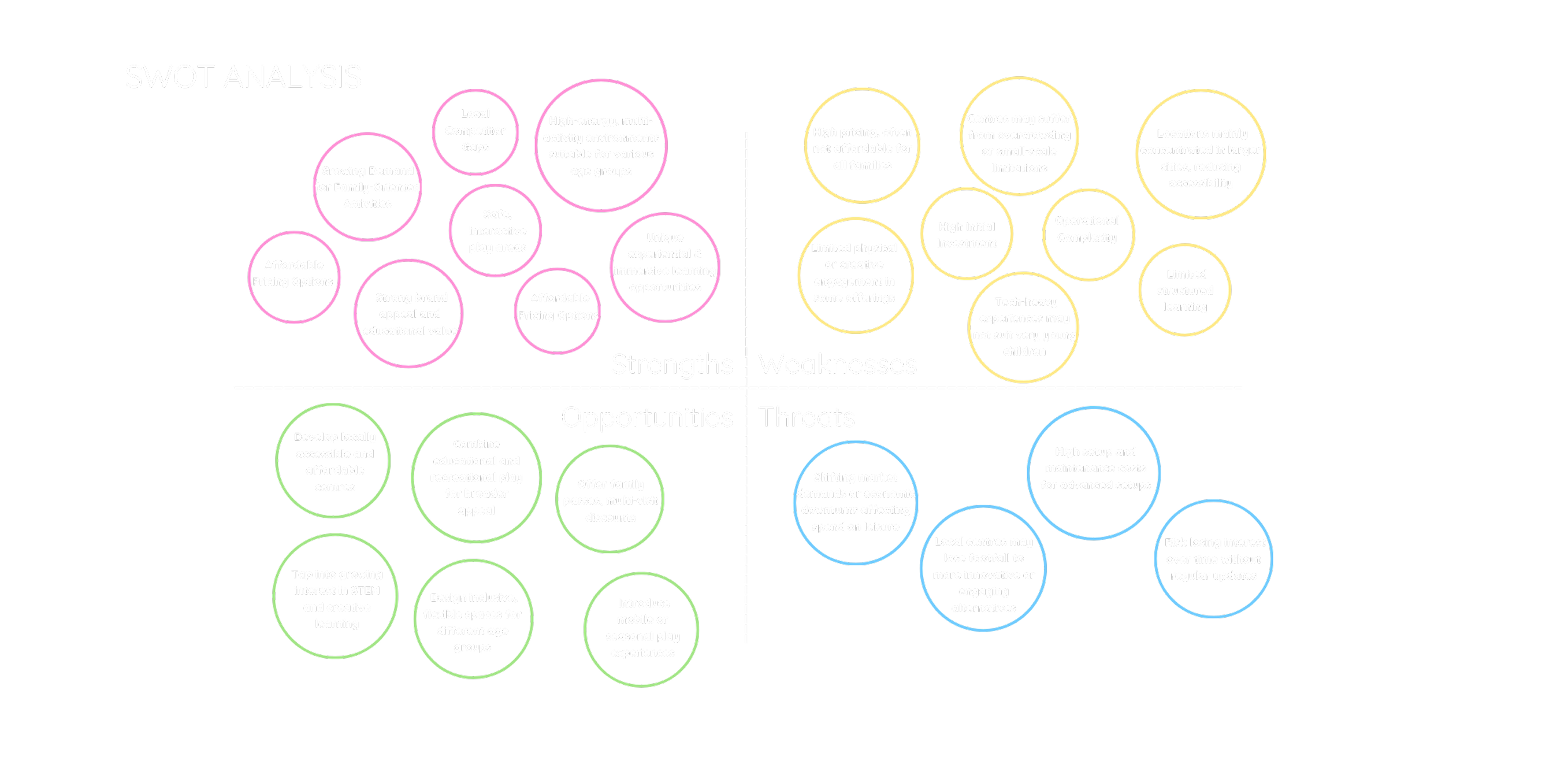
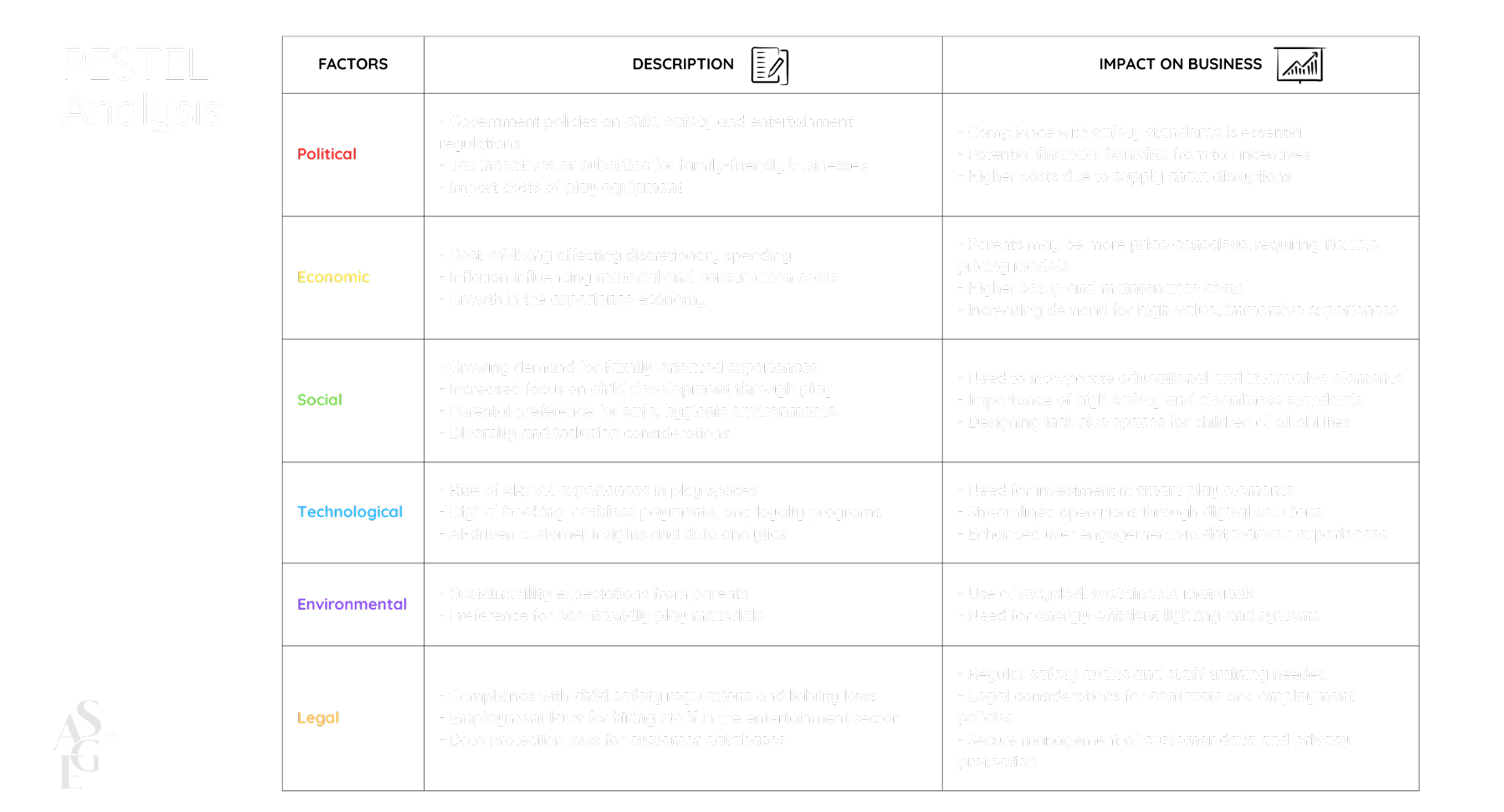
Alongside this, we carried out secondary research, including market scans, competitor benchmarking, and SWOT and PESTEL analyses, to build a broader picture of the industry landscape. Together, these methods revealed recurring pain points: affordability, hygiene, inclusivity, and overstimulation. Parents consistently expressed a desire for safe, clean, imaginative environments where children could play freely while adults had comfortable spaces to relax.
Define
Once we had gathered insights, the data was analysed to identify recurring trends, patterns, and key takeaways that would shape the play center’s development.
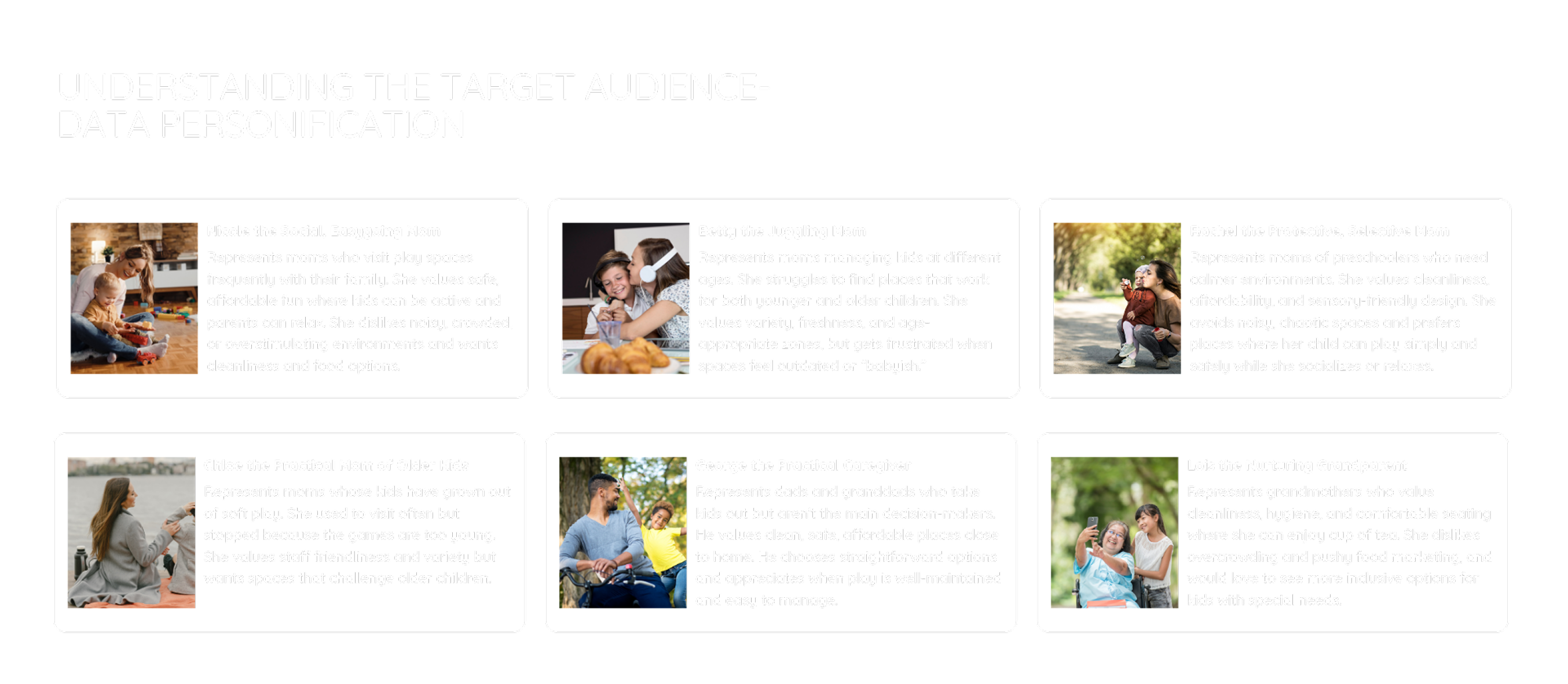
Data Personification: To humanize the findings, I created personas that transformed raw feedback into relatable narratives. These personas gave the data a face and a voice, making it easier for the team to empathize with our target users and design with clarity.
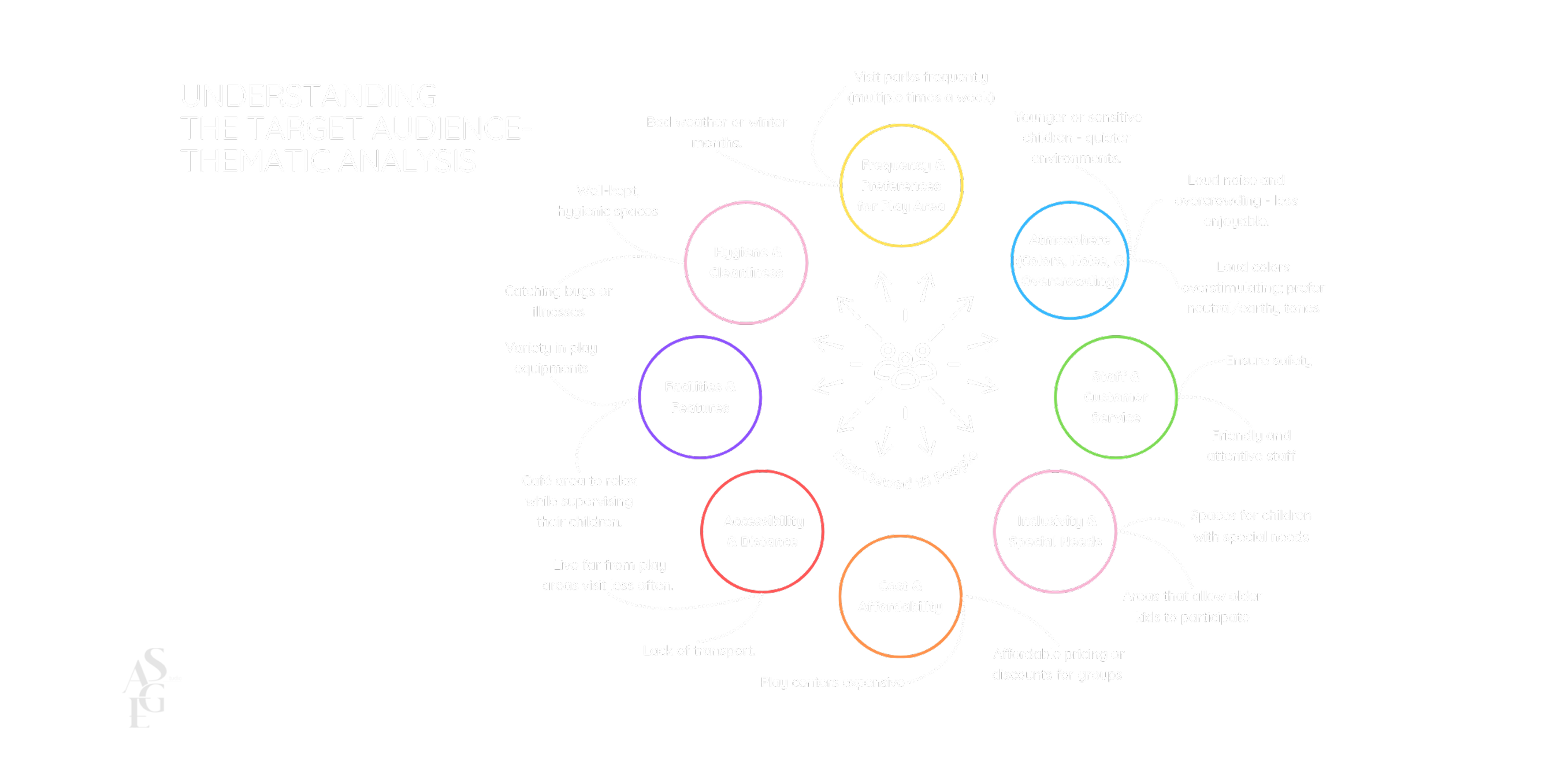
Thematic Analysis: The Dataset was carefully analyzed using thematic analysis to identify recurring themes and categorized the feedback into distinct areas. This structured approach helped us translate a wide range of feedback into actionable design opportunities.
Design and Deliverables
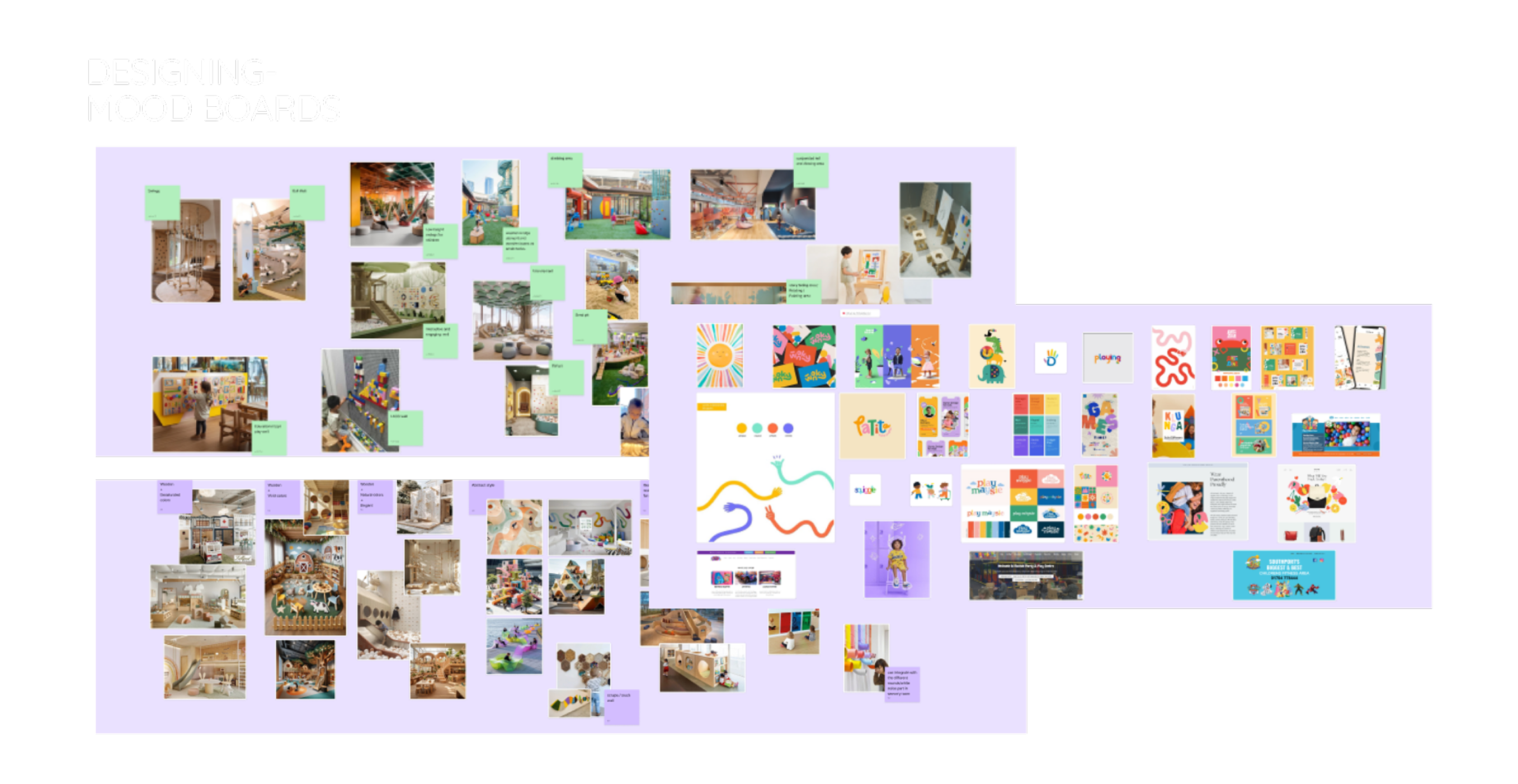
Building on our research insights, the team began exploring both spatial and brand concepts. We used moodboards to translate findings into visual directions, experimenting with colors, atmospheres, and design styles that could capture the right tone for Wobble.
Parents emphasized the importance of spaces that felt safe, clean, and calming, which guided us toward softer tones and inclusive visual styles. These directions informed not only the brand identity but also the spatial design proposals for the play center.
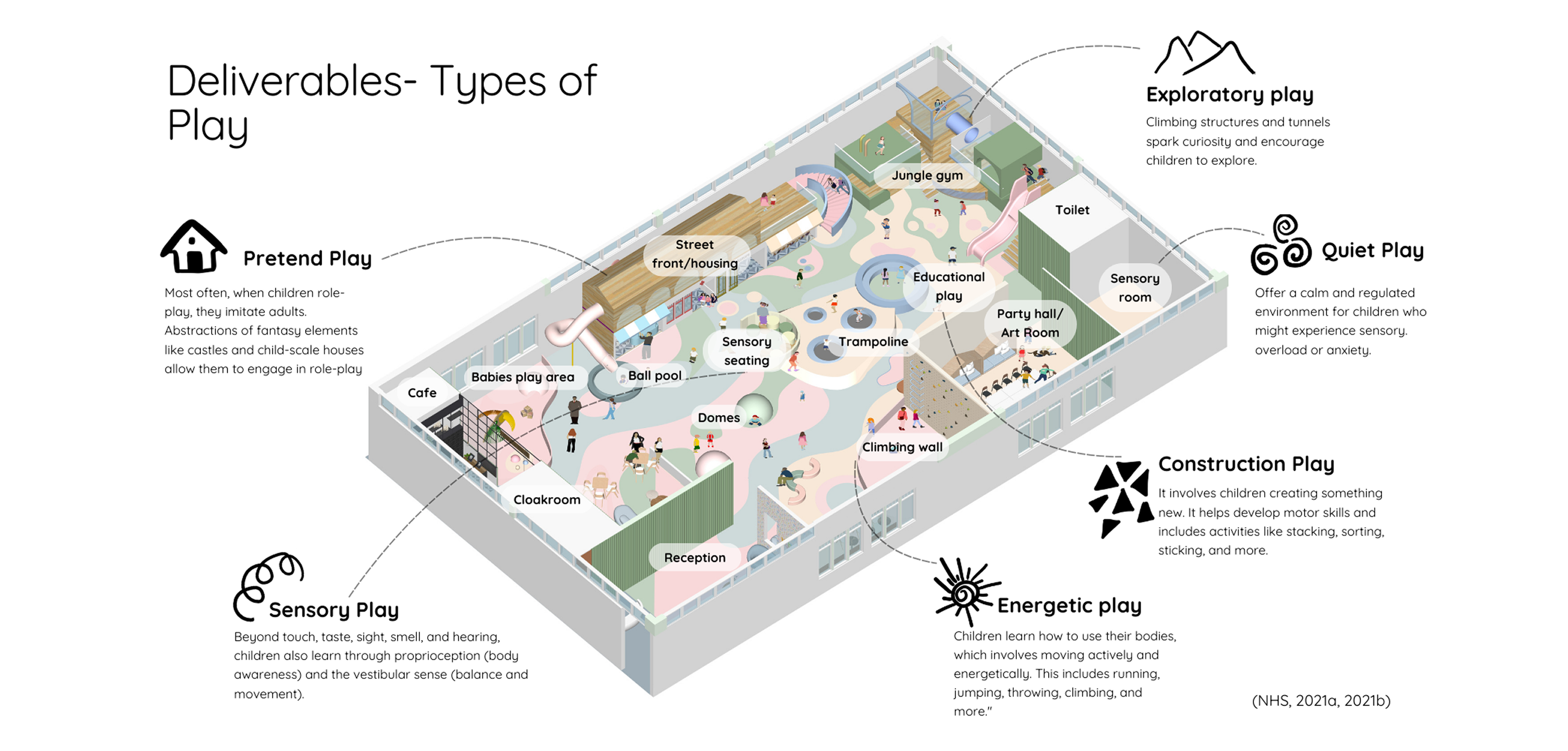
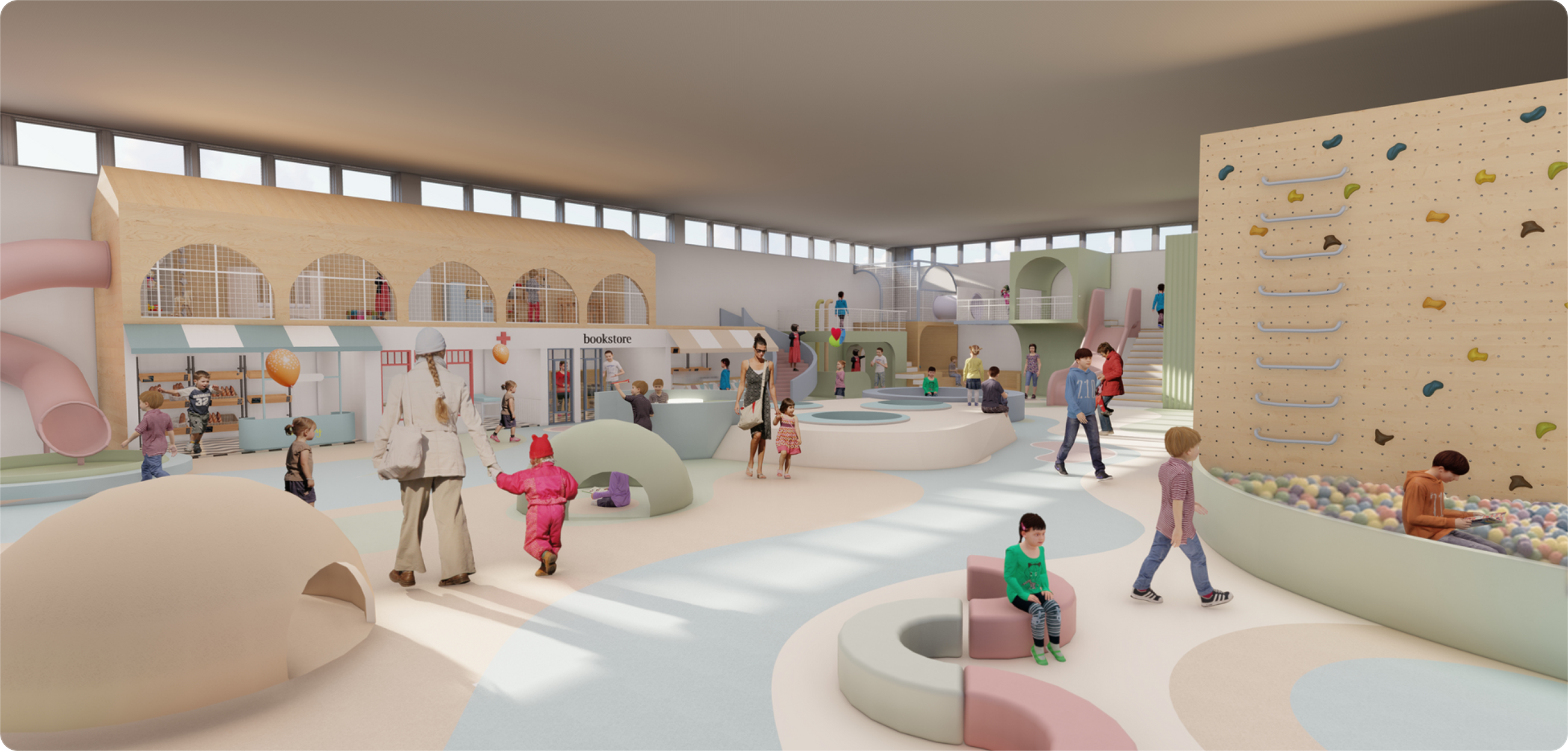
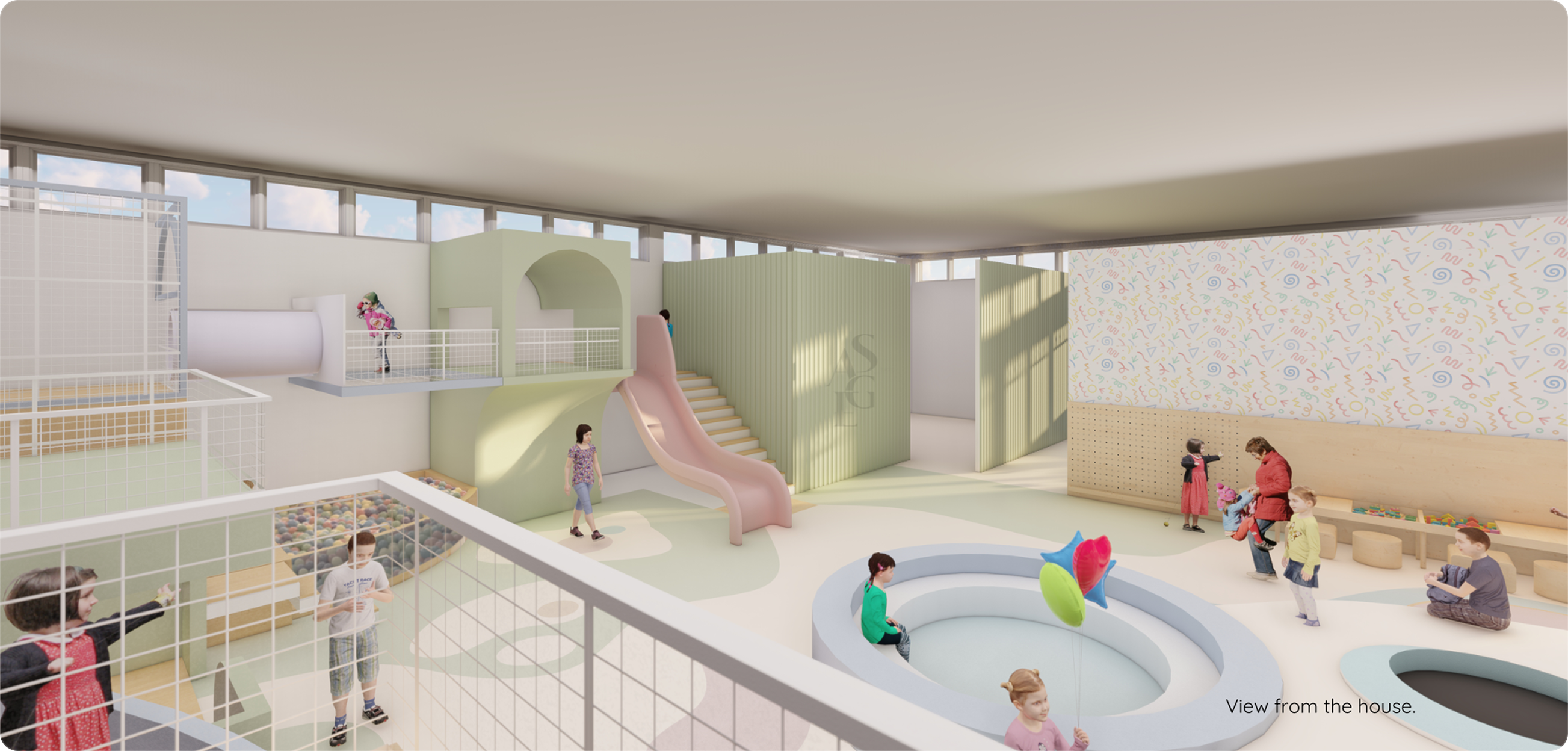
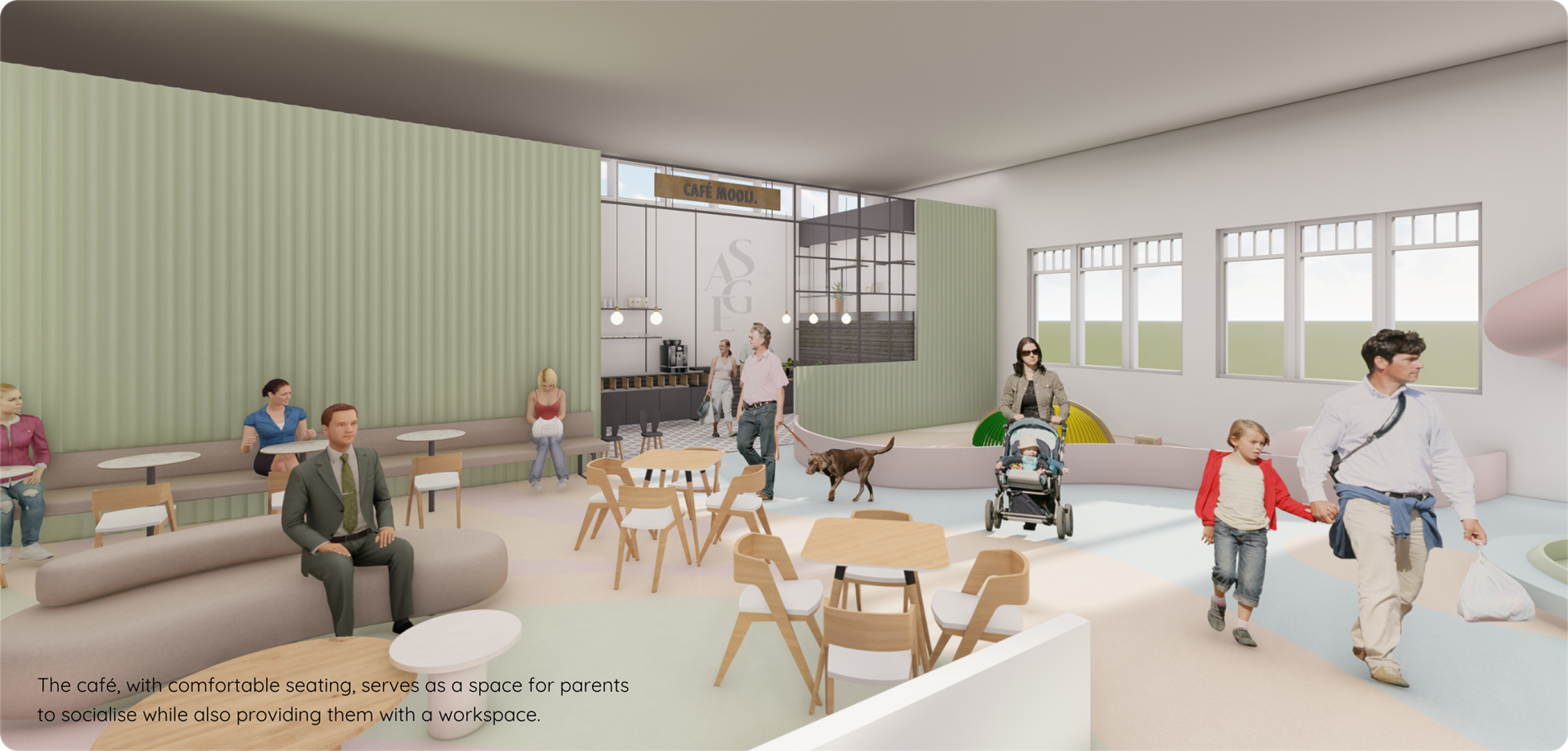
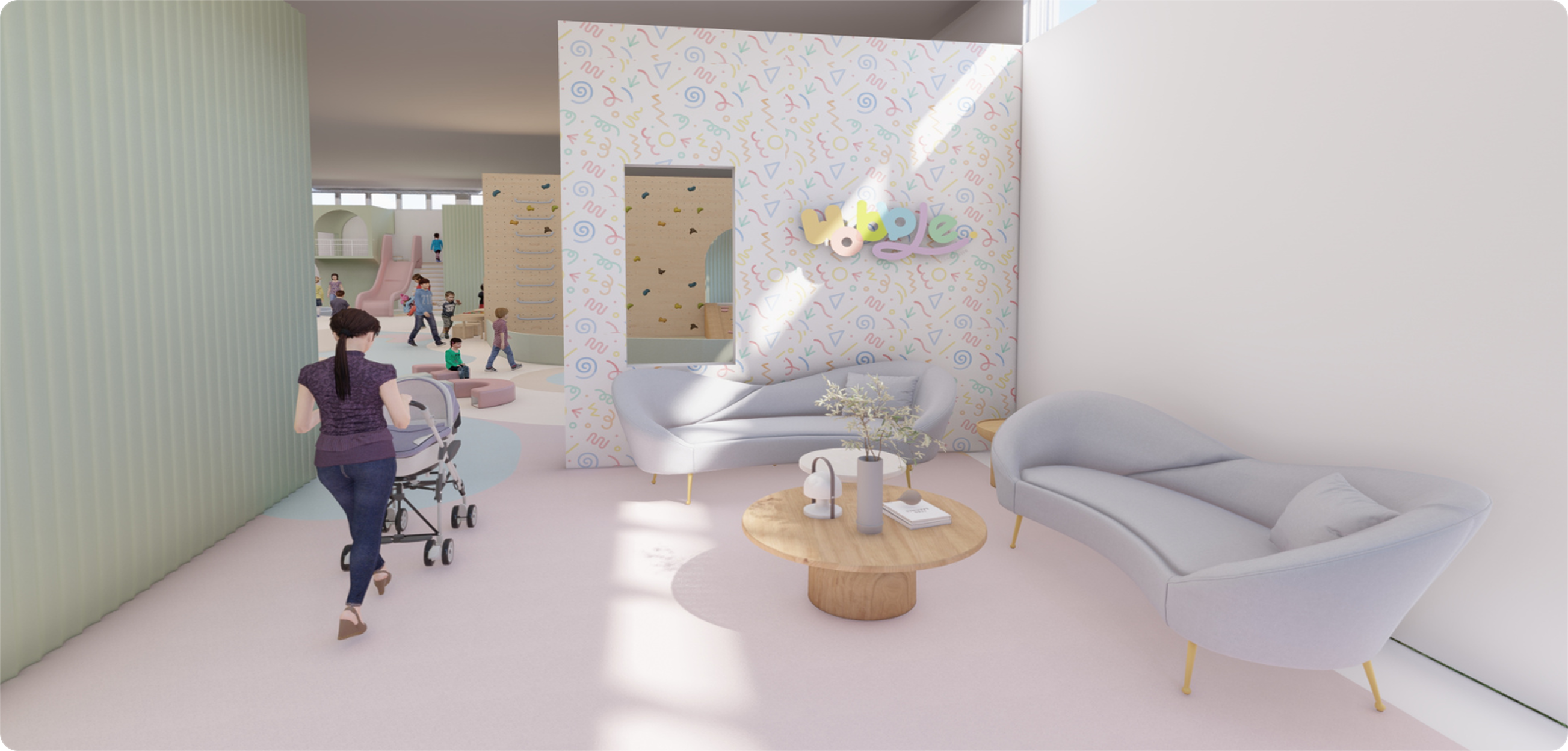
Spatial Design: We worked to create an environment that could deliver exceptional experiences for both children and their parents including pretend-play streets, climbing areas, sensory zones and a parent café. These design choices were directly informed by our research.
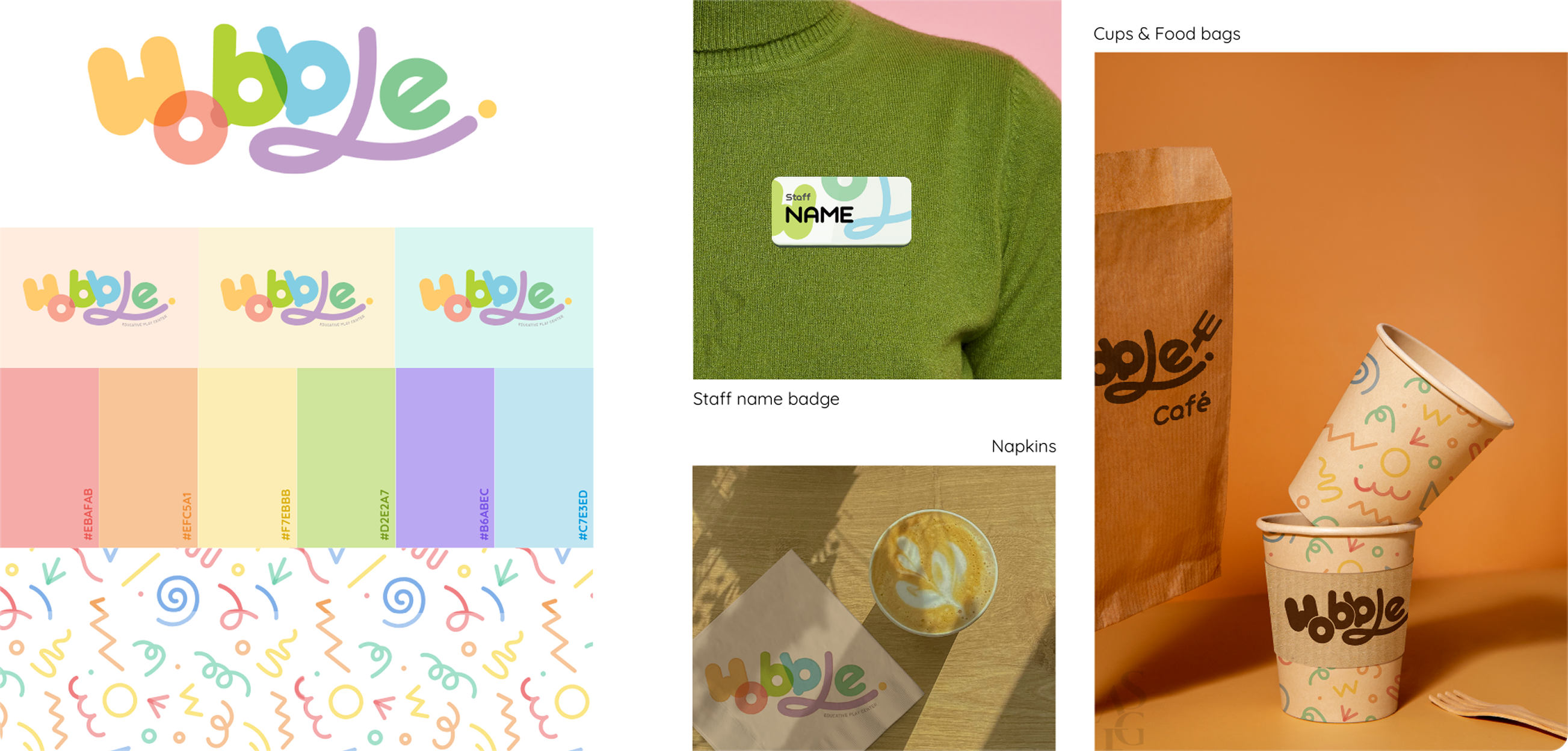
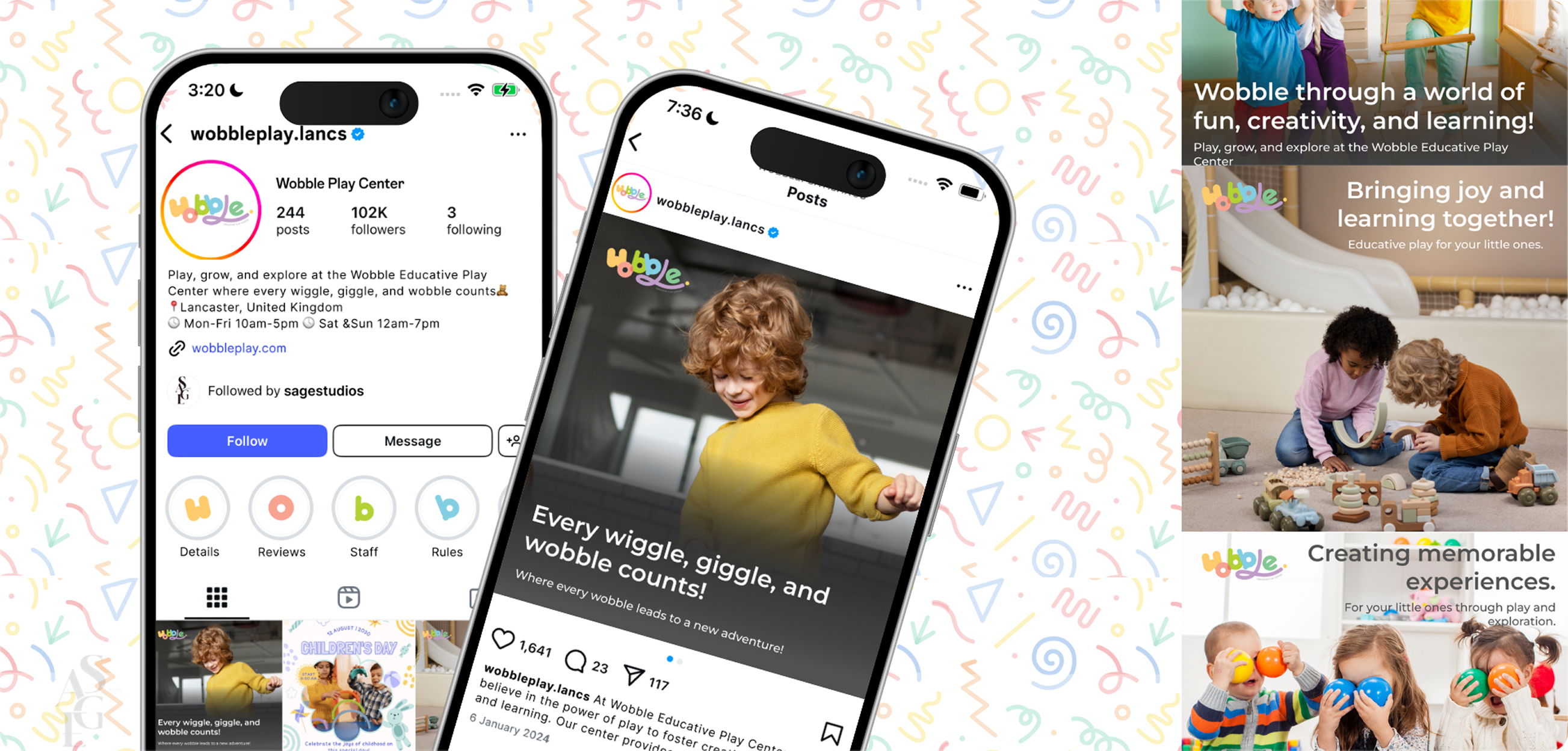
I led the development of Wobbles’ brand experience, crafting an identity and narrative built around movement, imagination, and inclusive play. Every visual and verbal element was designed to reinforce these themes, ensuring that the brand felt playful, warm, and developmentally supportive for children and families.
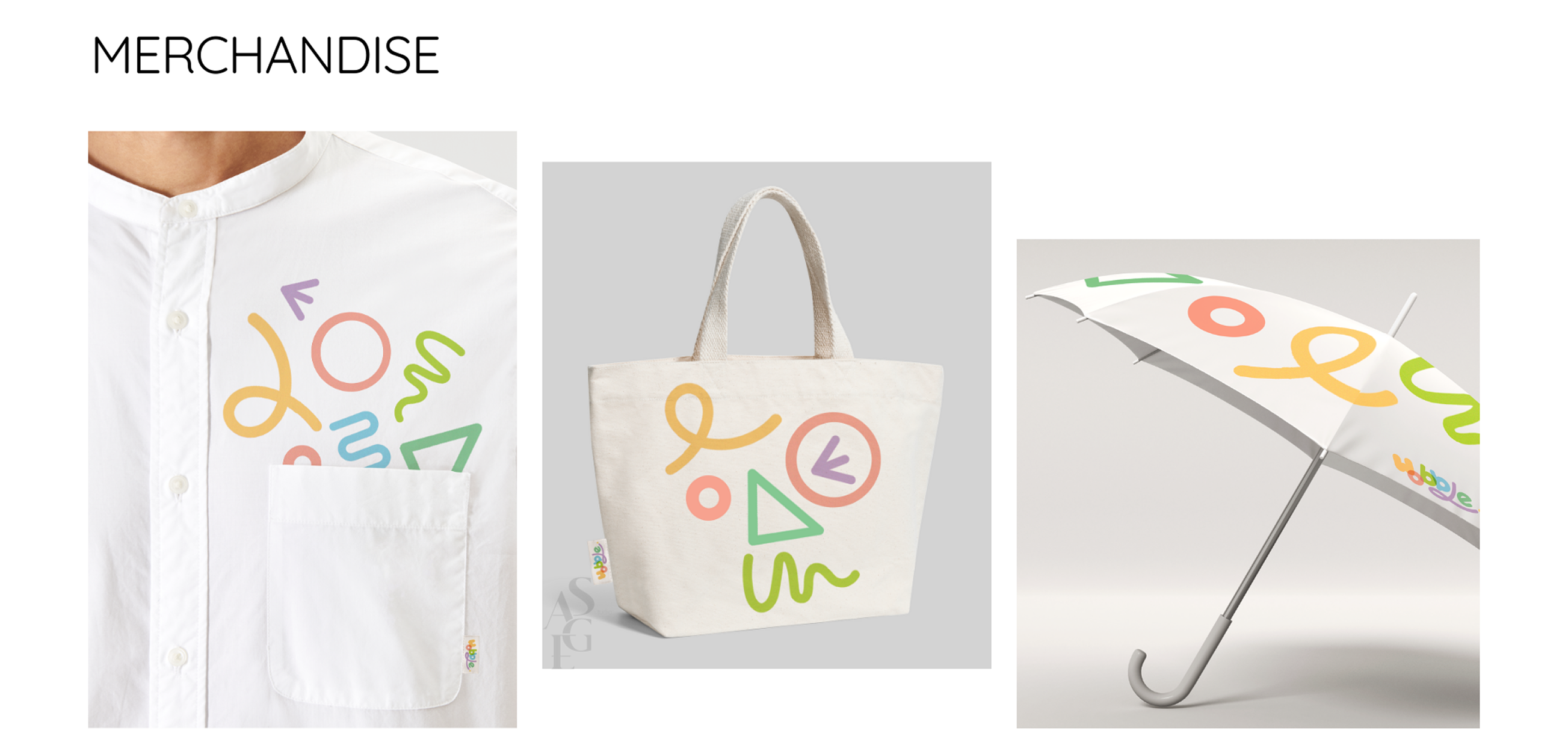
To extend the brand’s reach and long-term value, I proposed a merchandising ecosystem as a secondary revenue stream. By translating the brand into toys, apparel, and accessories, Wobbles could create memorable touch-points for families while strengthening loyalty and expanding business opportunities.
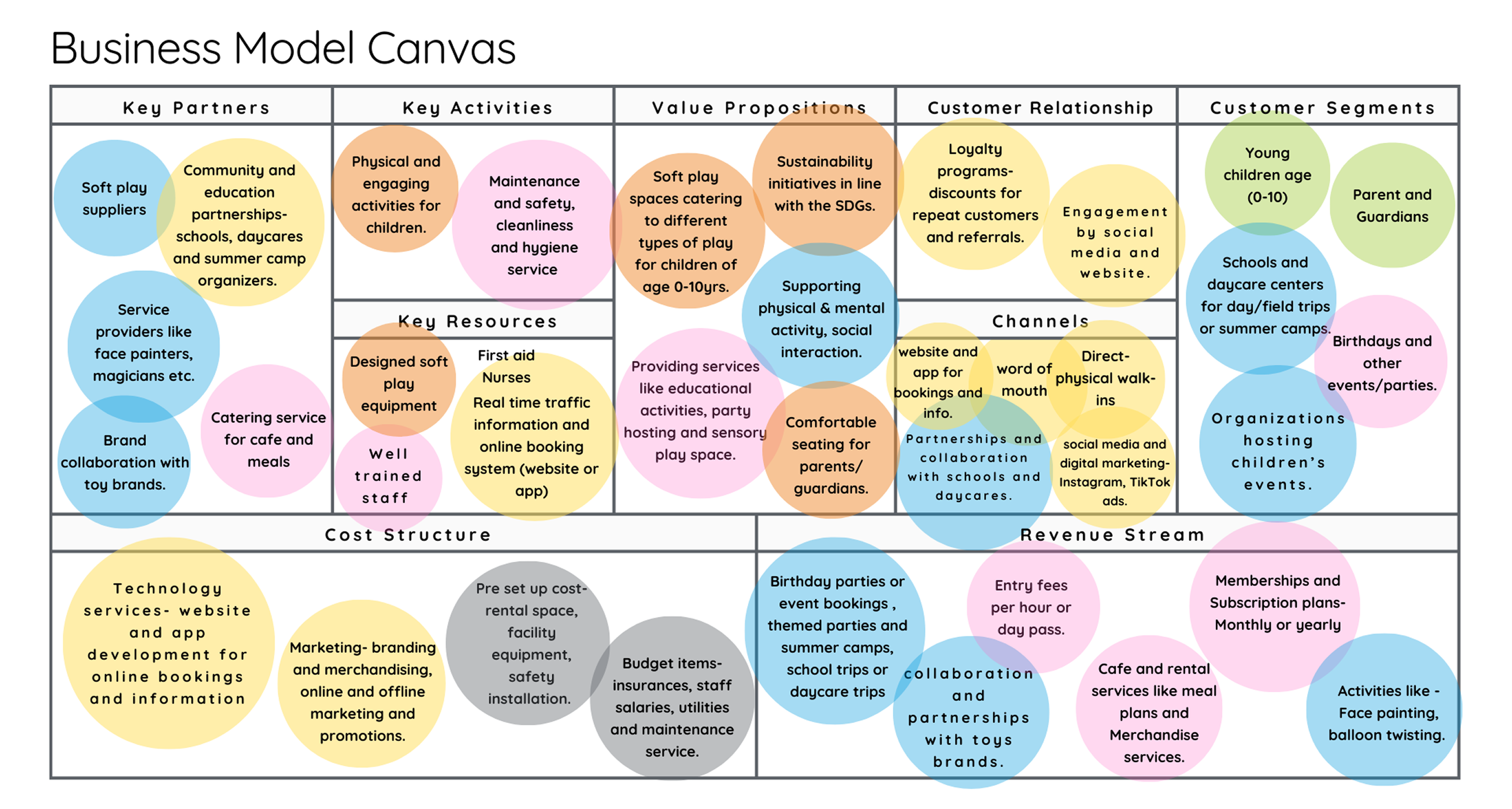
Business model canvas: I also contributed to the Business Model Canvas, outlining how the brand could generate revenue, how to maintain customer relationships and channels for the company to use to deliver its value proposition to customer segments.

Key Take-away
This project reinforced the importance of grounding concepts in real user insights, while also showing how design can extend beyond aesthetics intobrand strategy and business viability. It highlighted the value of collaboration across disciplines and the power of storytelling in bringing a proposal to life.
View more projects